Published April 24, 2026 01:14PM
Inside the Audacious Plan to Kickstart Everest Season
Officials hope that helicopters, additional manpower, and coordination between outfitters and the Icefall Doctors can allow climbers to get on the mountain
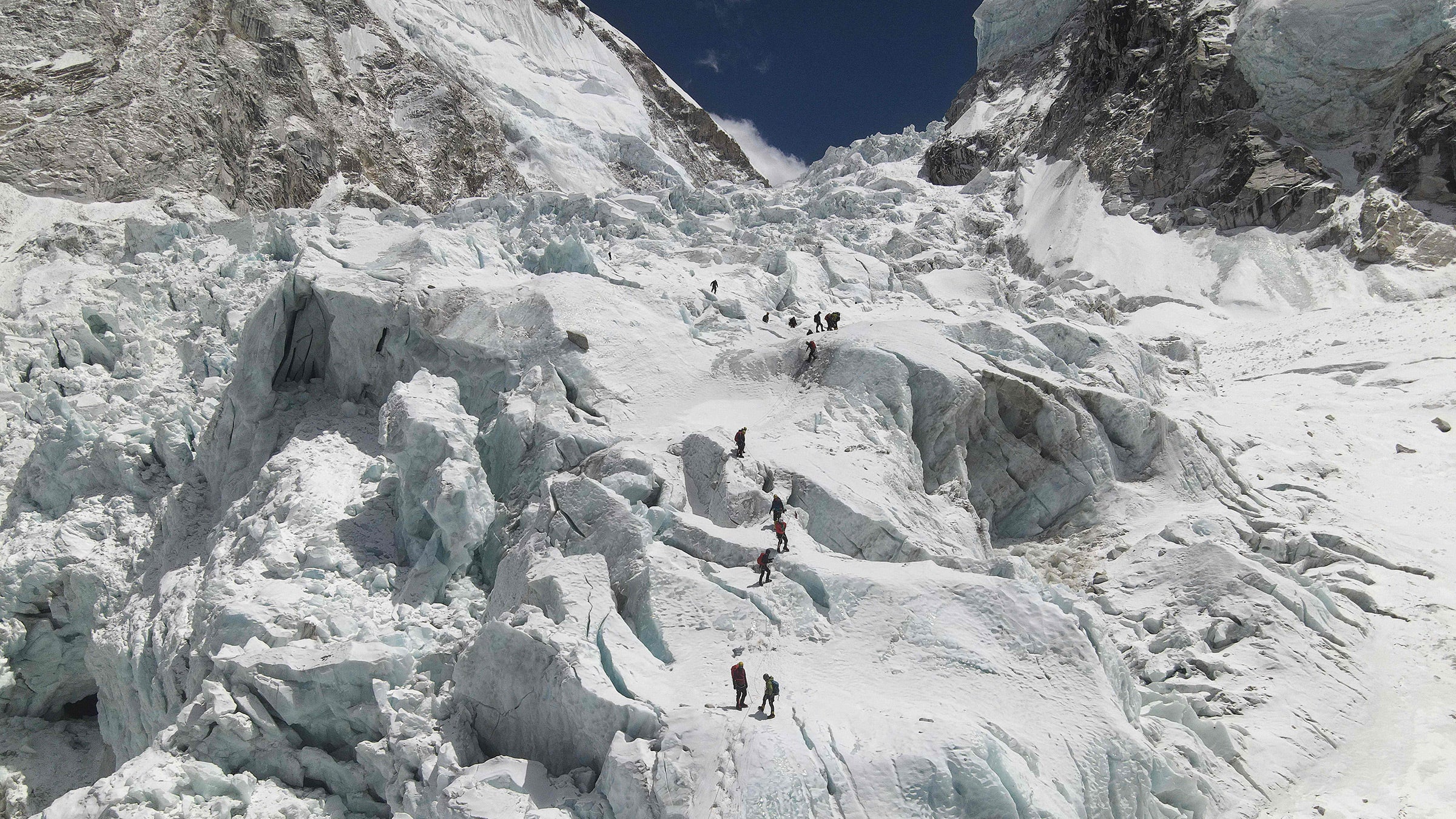
The Icefall Doctors have encountered an obstacle in the Icefall (Photo: Getty Images)
Officials in Nepal have hatched a bold plan to kickstart the climbing season on Mount Everest and end a lengthy delay caused by dangers in the Khumbu Icefall, the cascading glacier just above Base Camp.
The plan involves helicopters, ropes, and coordination among various governmental agencies and industry groups working on the mountain.
“This is one of the greatest collaborations,” Thaneswar Guragai, the general manager at Nepali outfitter Seven Summits Treks, told Outside. “And this is how it should work. There is a risk factor, but this is what it is. So, let’s do this.”
The start of climbing season on the world’s highest peak is several weeks late this year due to a massive tower of ice looming near the top of the Khumbu Icefall. Since early April, the Icefall Doctors, the workers who build the pathway through the deadly glacier, have been waiting for the crumbling block of ice to fall. But so far, it hasn’t, and the Icefall Doctors haven’t completed the route through the labyrinthine glacier.
Amid this pause, nobody has been able to venture above Base Camp—not even the rope fixing team that constructs the route to the summit.
ADVERTISEMENT
But on April 24, representatives from the Sagarmatha Pollution Control Committee (SPCC), the group that oversees the Icefall Doctors, the Expedition Operators Association of Nepal (EOAN), an industry group representing guiding companies, and other agencies agreed on a two-pronged plan to end the delay.
“This permission is granted for the purpose of carrying out necessary work such as the safe construction of routes and installation of ropes in the Khumbu Icefall along the climbing route of Everest, Lhotse, and Nuptse,” reads a decree from Nisha Thapa Raut, director of Nepal’s planning committee.
Helicopter Flights and Added Manpower
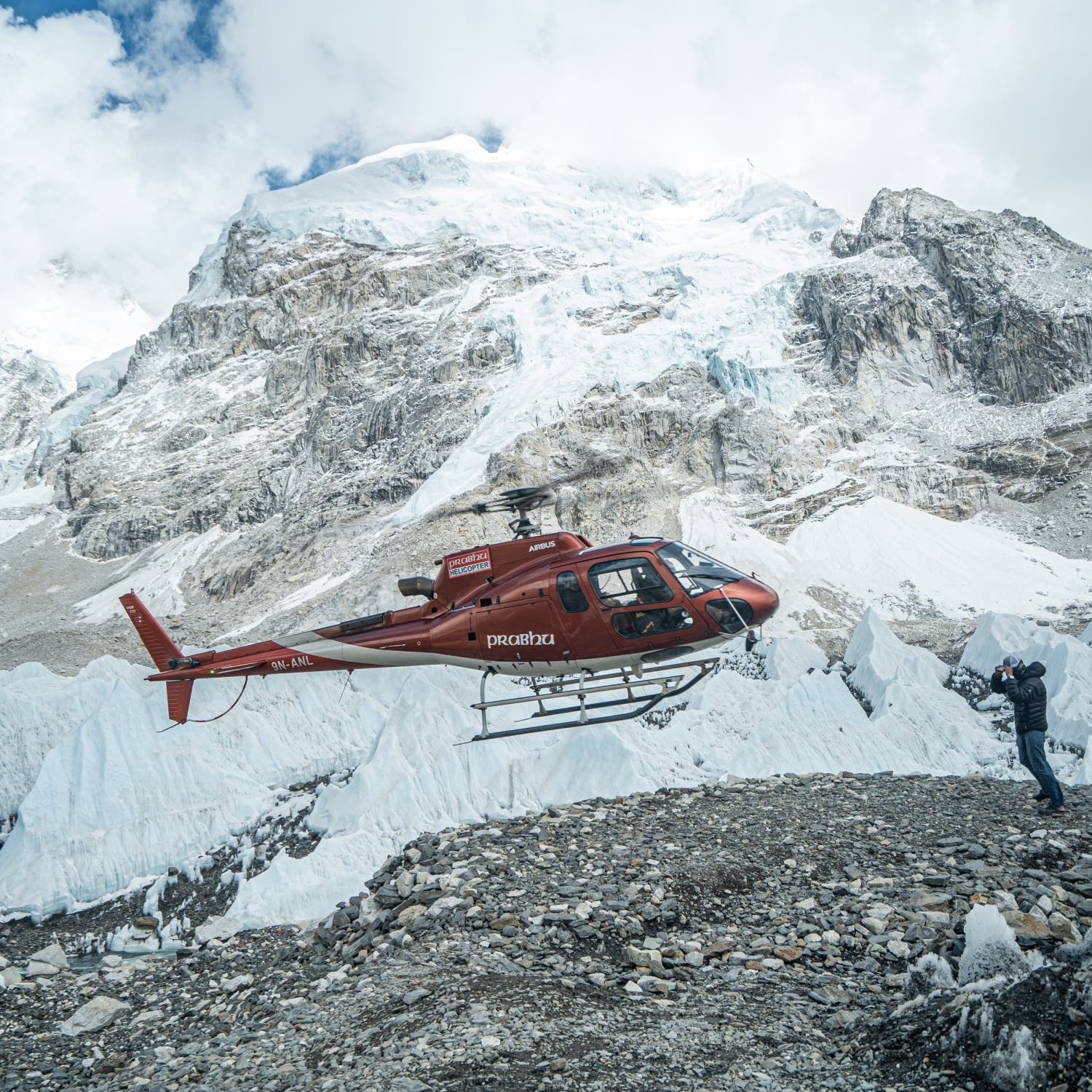
One thrust of the plan calls for helicopters to shuttle the rope-fixing team and its gear over the Icefall to Camp II at 19,500 feet. The workers will then climb higher onto Everest and build the route to the summit.
“We have authorized up to ten helicopter shuttle flights to bring route-fixing equipment and manpower to Camp 2,” Himal Gautam, director of Nepal’s Department of Tourism, told Outside. “This way, any further delays in the icefall will not slow the fixing on the higher parts of the mountain, and will allow both sections to be prepared simultaneously.”
Helicopter shuttles require government approval before flying above Base Camp—usually for rescue purposes only.
ADVERTISEMENT
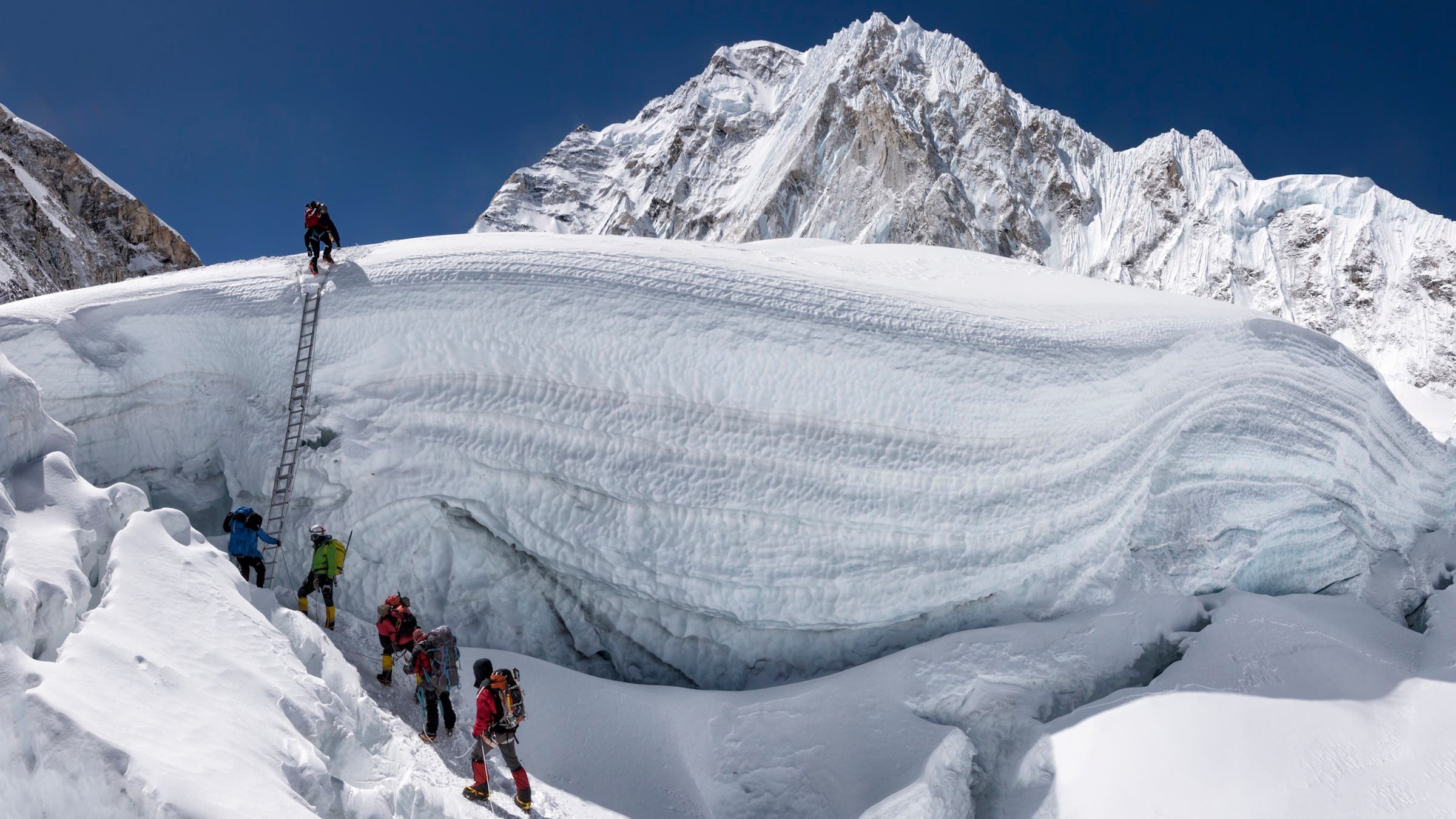
The second part of the plan calls for professional guides and mountain workers from expedition companies to join the Icefall Doctors on the glacier. The Icefall Doctors team numbers between six and eight workers, and the squad must haul ropes, ice screws, and metal ladders into the glacier while charting the route. Officials hope that added manpower will help the team build a route that avoids the serac.
“The EOAN board passed a resolution to mobilize experienced experts and IFMGA/experienced guides who are already present at Everest Base Camp with various expedition teams,” Jiban Ghimire, a member of the EOA, told Outside. “These professionals will support the Icefall Doctors in route fixing operations.”
Guragai believes the route through the Khumbu Icefall could be completed by Sunday, April 26, and called the agreement an example of “Sherpa loyalty on the mountain.”
Mount Everest Climbers Continue to Wait
Climbers usually begin ascending the Khumbu Icefall in mid-April to begin their acclimatization rounds—hikes to higher camps that allow their bodies to adjust to the thin air. In 2025, the Icefall Doctors completed the route through the Khumbu Glacier on April 10.
The delay has raised anxieties in Base Camp that expedition teams could miss the coveted few windows of good weather.
“We’re here until June, so the first week of June is when we have to go home,” Daniel Mazur, owner of the expedition company Summit Climb, told Outside. “We have time, but we don’t have unlimited time.”
Amid the delay this spring, expedition operators have sought out shorter peaks to ascend to begin acclimating. Mazur left Everest Base Camp on April 24 with his clients to ascend 20,075-foot Lobuche East, which is located near Everest. Austrian guiding company Furtenbach Adventures also led clients onto Lobuche East prior to tackling Everest.
ADVERTISEMENT
Lukas Furtenbach, the company founder, told Outside that, while the delay is unfortunate, the safety of the Icefall Doctors “comes first.”
“If they decide to wait because of safety concerns, I trust their judgment,” Furbenbach said. “I do hope that they have access to drones that they can use for scouting the best passage. And I do hope that they can finish the job asap so that all the teams can start stocking camps.”