Updated February 19, 2026 11:52AM
How California’s Finicky Snowpack Contributed to the Deadly Tahoe Avalanche
A Tahoe avalanche expert explains how the state’s fickle winter weather has changed the way guides assess risk in the mountains.
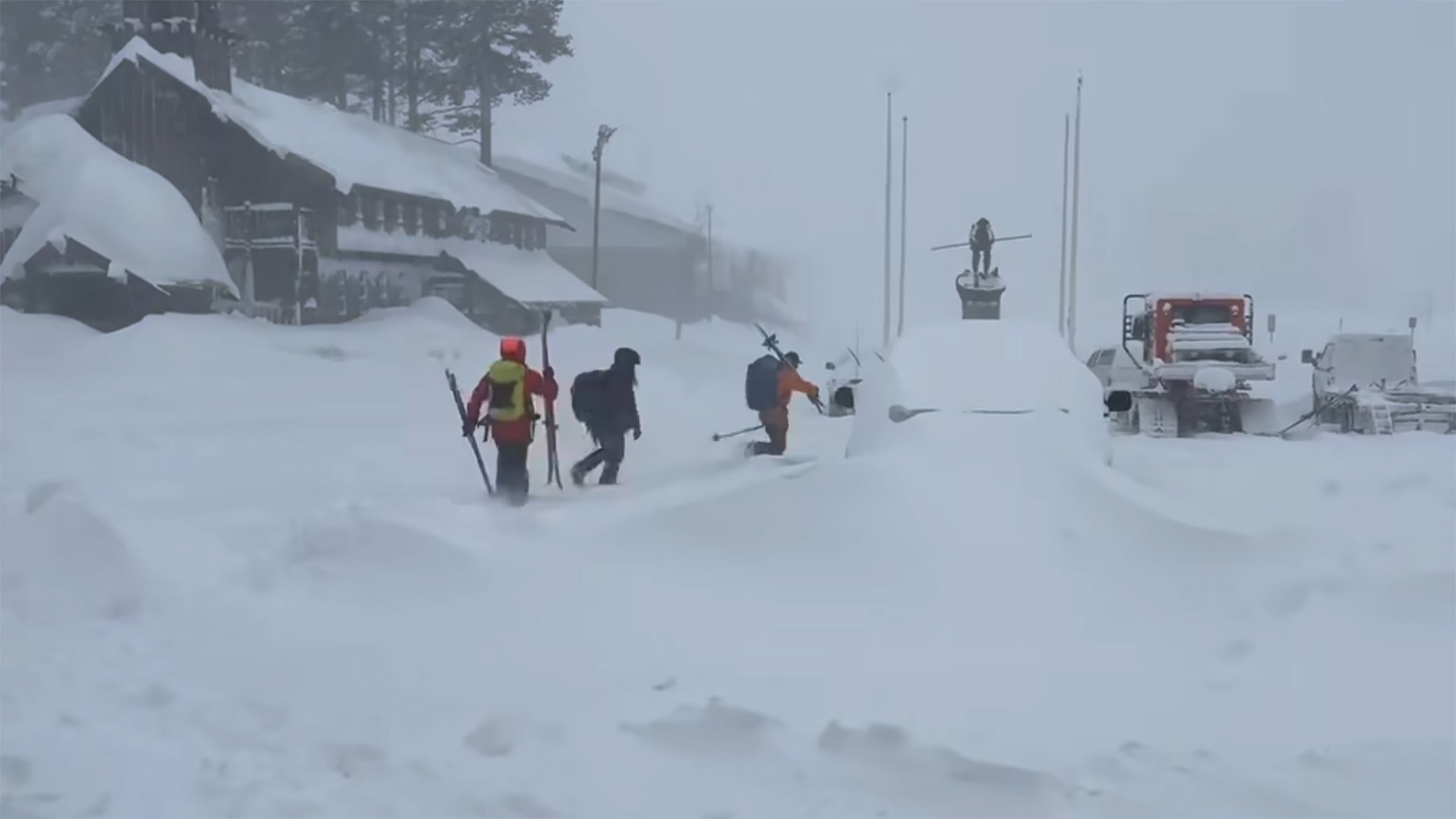
Heavy snowfall in Northern California led to a deadly avalanche outside Truckee (Photo: Nevada County Sheriff's Office)
Changing weather patterns in the Sierra Nevada are challenging some long-held safety assumptions held by ski guides and avalanche professionals. This dynamic may have contributed to the deadly avalanche that killed eight backcountry skiers and left a ninth missing in California on Tuesday, February 17.
That’s the belief of a longtime avalanche safety instructor and backcountry guide with experience in the region.
“The Sierras are dealing with persistent weak layers, and they didn’t used to,” says Tarah O’Connor, a veteran guide and instructor with the American Avalanche Institute. “It used to be a Colorado and sometimes Utah thing.”
Connor, 43, told Outside that the Sierra Nevada’s traditional wet, heavy snow—affectionately called “Sierra Cement” —becomes loose and powdery after it sits exposed to air and sunshine without additional snowfall. “It’s like sugar, really weak, really gnarly,” she said. When heavy amounts of snow fall onto this layer after long periods of warm, dry conditions—as they did prior to the deadly avalanche—the danger of a deadly slide ratchets up considerably.
On February 17, 15 backcountry skiers were struck by an avalanche in a stretch of backcountry near Castle Peak, just west of Truckee, California. The group had been part of a trip organized by Blackbird Mountain Guides, and consisted of 11 clients and four ski guides, nine women and six men. They were returning from a three-day stay at backcountry huts near Frog Lake, about two miles from Interstate 80.
ADVERTISEMENT
On Wednesday, February 18, the Nevada County Sheriff’s Office held a press conference about the disaster and rescue effort. Officials said that eight skiers were confirmed dead, and a ninth is missing but presumed dead by authorities. The slide that hit them was about the length of a football field. Five clients and one guide were eventually rescued after they had sheltered under a tarp at the avalanche site for more than six hours. The survivors range in age from 30 to 55 years old. The event is the deadliest avalanche in modern California history.
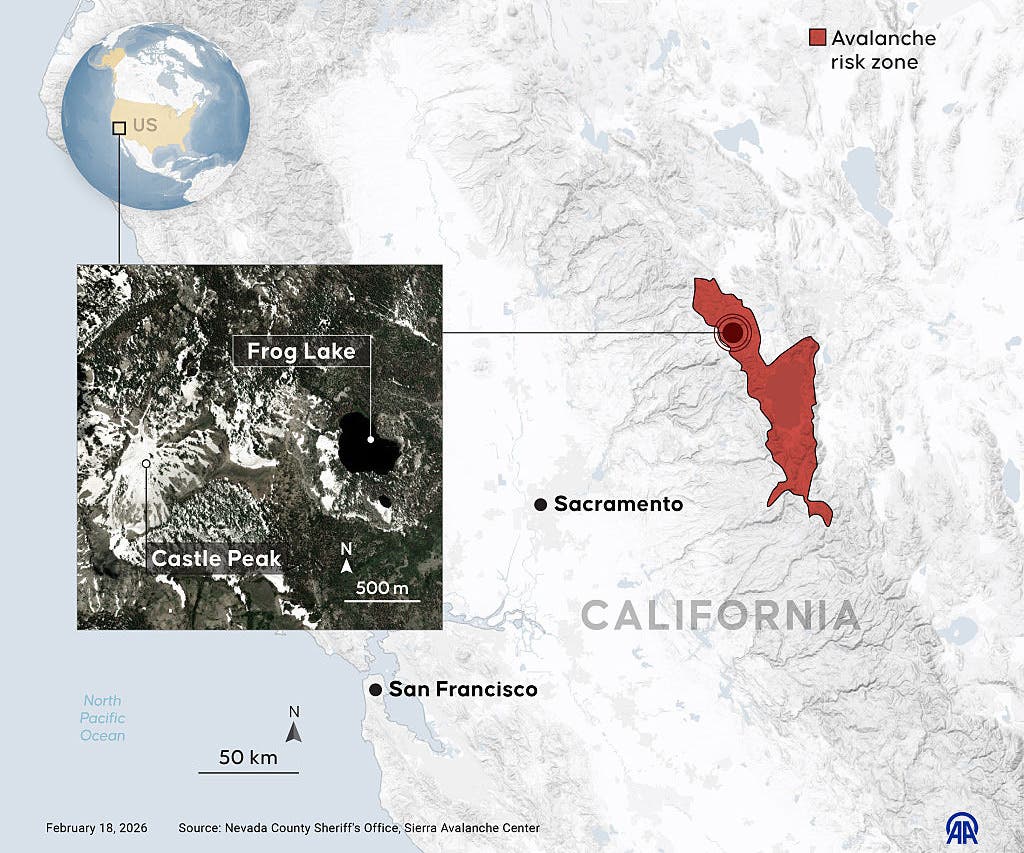
“It overtook them rather quickly,” Captain Rusty Greene of the Nevada County Sheriff’s Department said.
Zeb Blais, the founder of Blackbird Mountain Guides, published a statement on the company’s website mourning the loss of the guides and clients.
“This was an enormous tragedy, and the saddest event our team has ever experienced,” Blais said in a statement Wednesday night. “In addition to mourning the loss of six clients, we also mourn the loss of three highly experienced members of our guide team. We are doing what we can to support the families who lost so much, and the members of our team who lost treasured friends and colleagues.”
ADVERTISEMENT
Dry Periods Lead to High Avalanche Danger
The Sierra Avalanche Center, which tracks the snowpack in the region, predicted the avalanche danger for Tuesday, February 17, as “high” and rated it a four out of five on their danger scale. “Widespread areas of unstable snow and numerous avalanches are expected today,” stated a warning posted on the agency’s website.
Like the rest of the western United States, California experienced record low snowfall throughout the winter of 2025-26, with lengthy periods of warm, dry weather. At the end of January, the state’s snowpack was just 59 percent of normal.
ADVERTISEMENT
But a major storm blew in on Sunday, February 15, and began dumping snow. Forecasters predicted up to ten feet of snow in the Sierra. Adding to the danger were predictions for wind gusts up to 100 miles per hour that would further destabilize the precarious snowpack on high-elevation slopes.
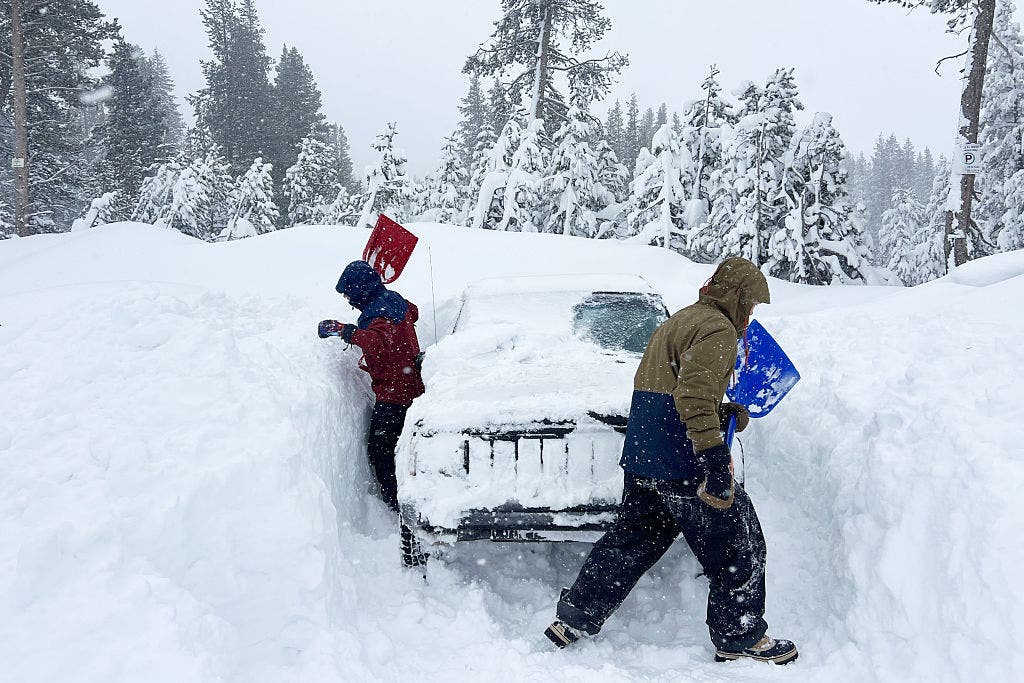
New snow falling on a layer of older snow that’s been heated and cooled for several weeks is the perfect recipe for an avalanche.
O’Connor said the constant fluctuation between heat and heavy snow throughout the California winters has rapidly changed the way snow safety experts analyze the area. California has endured an on-and-off drought for decades. According to the state’s drought timeline, the last time California experienced wetter than normal weather for more than two straight years was in 1997.
“There have always been big snowstorms in the Sierra,” O’Connor said. “This is not inherently dangerous for backcountry skiers. The consistent snowfall 25 years ago led to safer avalanche conditions because the snowpack was more stable due to a lack of drought periods. It was easier to assess when it was safe to ski in the backcountry after a big snowstorm back then.”
ADVERTISEMENT
O’Connor said the Sierra backcountry snowpack now resembles that of Colorado, where intermittent periods of warmth and heavy snowfall throughout the winter lead to a high number of avalanches.
The Sierra snowpack before the February 15-17 storm had multiple persistent weak layers, which is more common to continental snowpacks, O’Connor said. This layering isn’t normally what happens in maritime snowpack.
In recent years, multiple avalanche accidents in California have happened on these persistent weak layers, O’Connor said.
“Now we have big changes in snow loads from drought,” she added.
By the morning of February 17, when the skiers left their huts, nearly three feet of snow had fallen over a 48-hour period at Donner Peak near what would become the avalanche site. And 27 of those inches had fallen in the previous 24 hours.
“There are these beautiful old-growth forests in the Sierras,” O’Connor said. “Historically, you don’t get avalanches in these places very often, but it’s still avalanche terrain.”
ADVERTISEMENT
Avalanche preparedness and knowledge are meant to be a hedge against unpredictable conditions, which are an ever-present factor in backcountry skiing. Guides are required to receive professional-level certifications in field-based avalanche education courses. And many skiers now also take avalanche classes as a safety precaution.
A Fateful Route from the Huts
Beyond the unstable snowpack conditions, another factor contributing to the high death toll was that the group had convened in one location for a break. “It was reported by the individuals who survived that they were attempting to go out as a group,” said Captain Greene during the press conference.
O’Connor, who has taught avalanche education courses in the Tahoe area, said it’s normal safety protocol for skiers to spread themselves out when traveling across terrain. However, groups sometimes will gather in the same location when they want to put their skins on prior to an ascent.
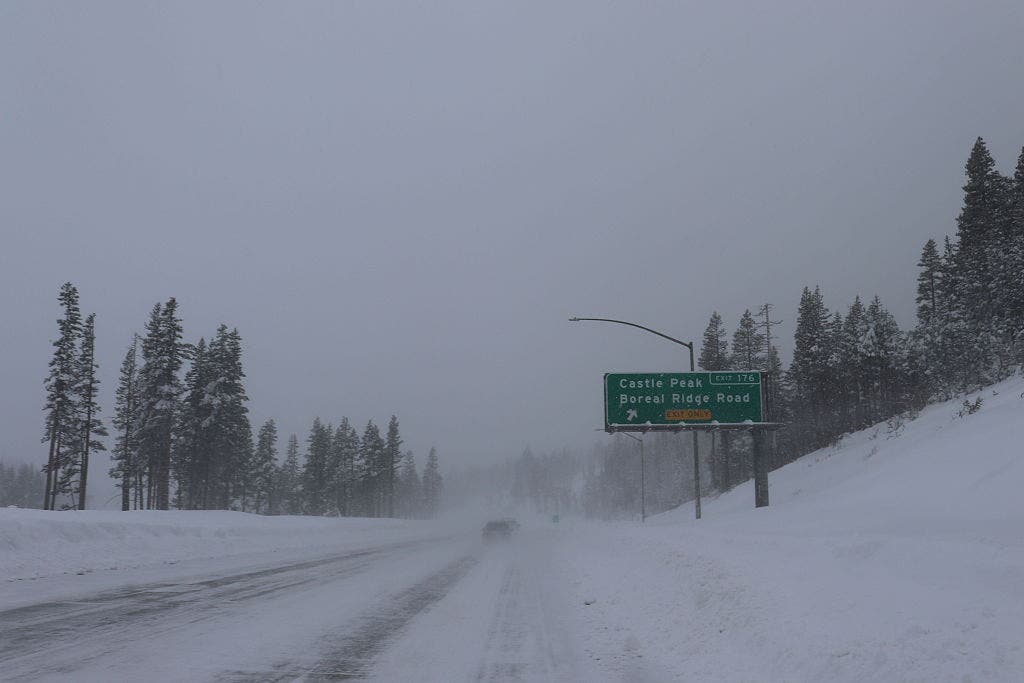
O’Connor also said that, based on the site of the deadly avalanche, the group took the “normal” Frog Lake egress route, which travels along a valley. O’Connor said that skiers visiting the huts sometimes take an alternative route back, which travels up Euer Valley and has less exposure to avalanche terrain. That route, however, is longer and takes skiers to a different parking lot.
ADVERTISEMENT
Still, O’Connor said that officials and the public should not jump to quick judgments about the guides who led the group into the area. According to Blackbird Mountain Guides, all of the guides with the group were trained or certified for backcountry skiing with the American Mountain Guides Association (AMGA) , and each guide was also an instructor with the American Institute for Avalanche Research and Education (AIARE).
“Emotions are super high right now,” O’Connor said. “A lot of guides and avalanche professionals can see themselves getting into the same kind of situation. It’s important to look at and learn from the decisions that were made but not judge the people who made them.”
