Updated August 19, 2024 07:43AM
Sponsor Content: Columbia
If you buy through our links, we may earn an affiliate commission. This supports our mission to get more people active and outside.Learn about Outside Online's affiliate link policy
Steep Thrills: America’s Most Vertical (and Memorable) Hikes
Lace up with stable shoes for big gains on the country’s steepest and most scenic hiking ascents
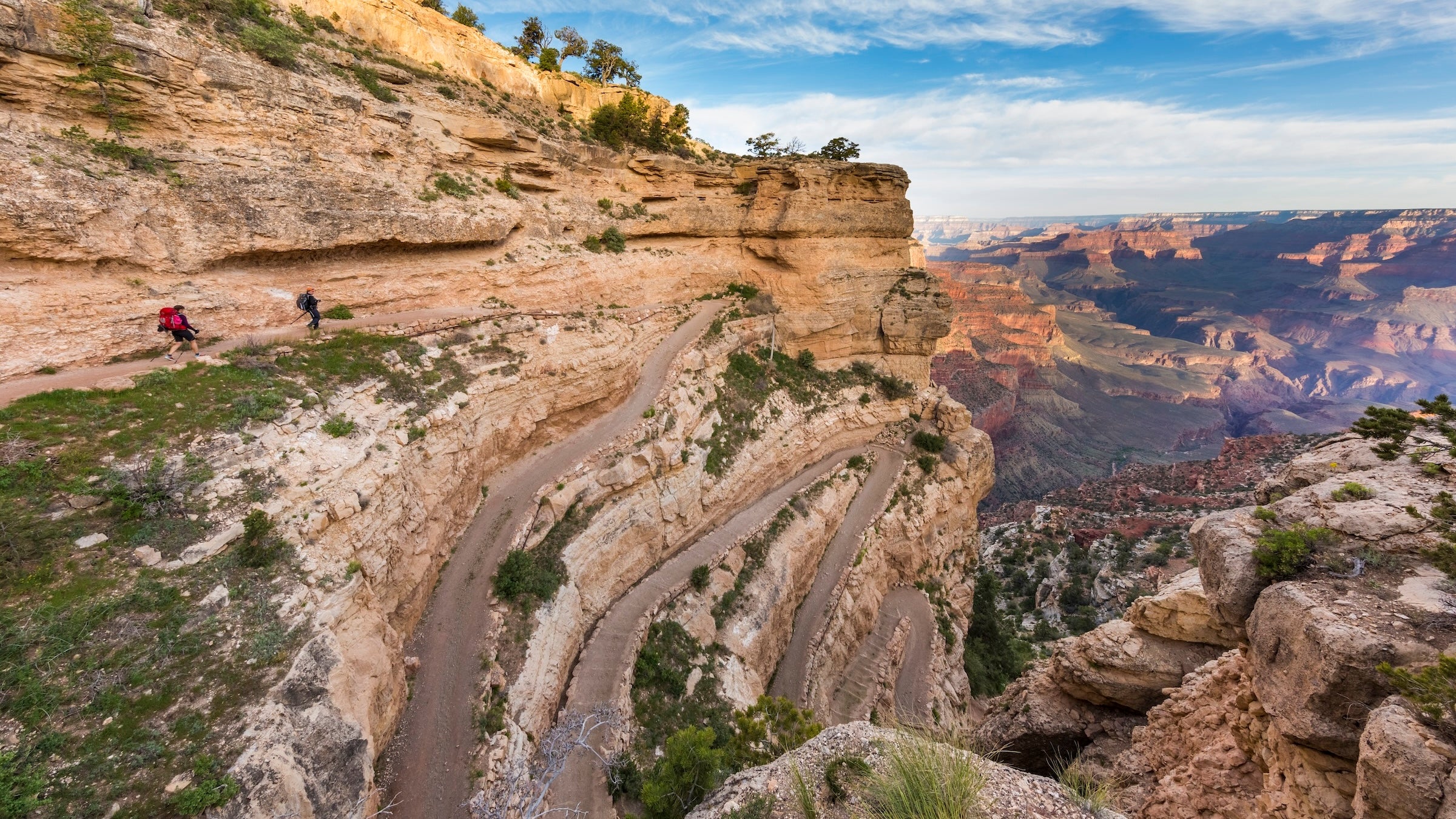
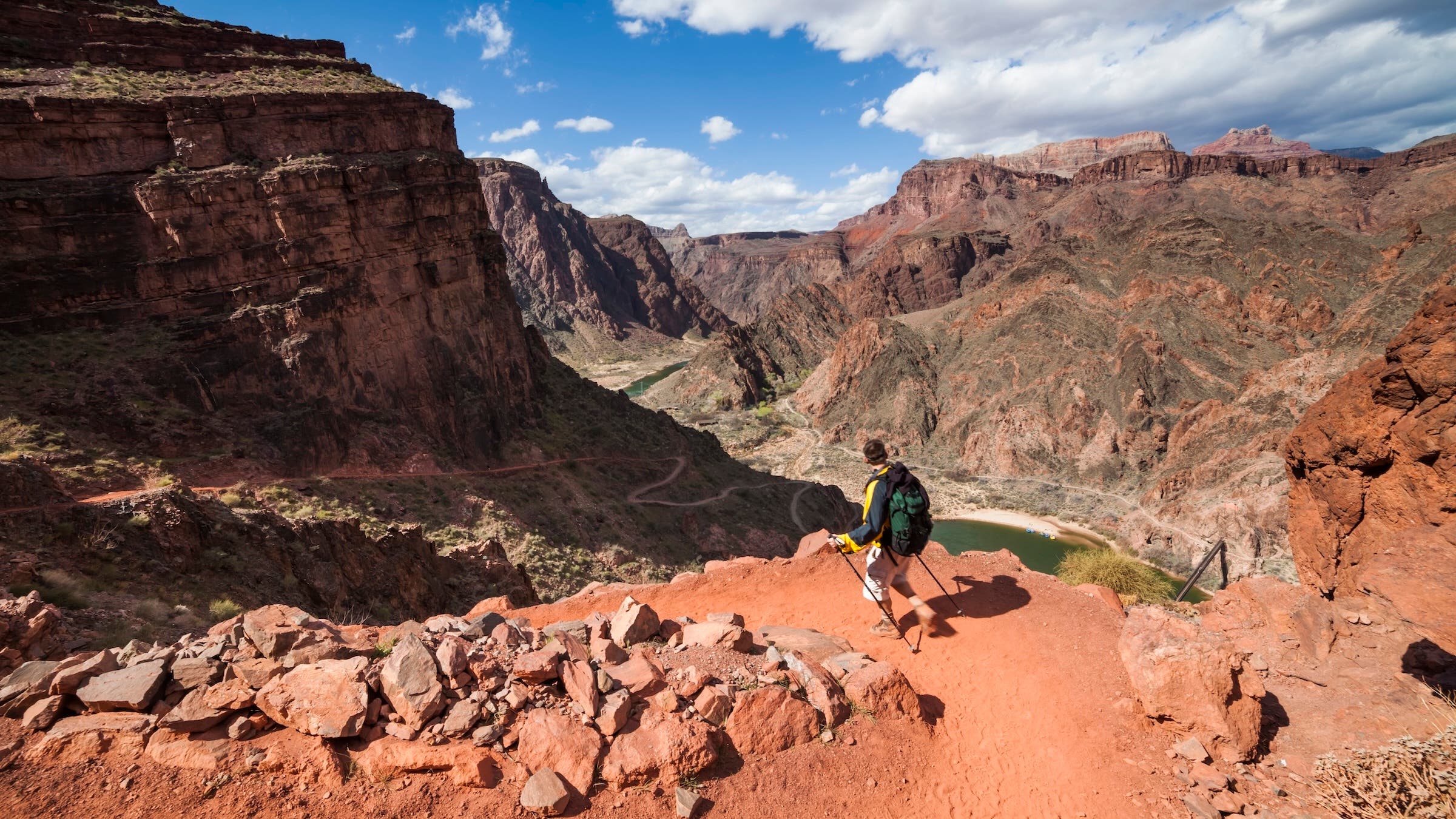
Hikers descend the South Kaibab Trail in Grand Canyon National Park. (Photo: Getty)
A steep day hike can let you push what’s possible in a single outing, no overnight gear required. Adding extra exertion affords you much greater bang—in terms of views earned and calories burned—for every buck spent in trail time. And fortunately, the diverse landscapes across the country provide no shortage of vertical playgrounds for leveling up your hiking experiences. Before picking one to remember, lace up in the right shoe for the task. Columbia’s Omni-MAX™ technology, utilized in the Konos™ TRS OutDry™, combines capable traction with advanced cushioning to enhance stability and energy return on the steepest trails. Its Techlite+™ midsole provides that stable base thanks to extra-light, responsive foam, plus a unique Navic Fit lace-webbing system to keep your heel securely placed.
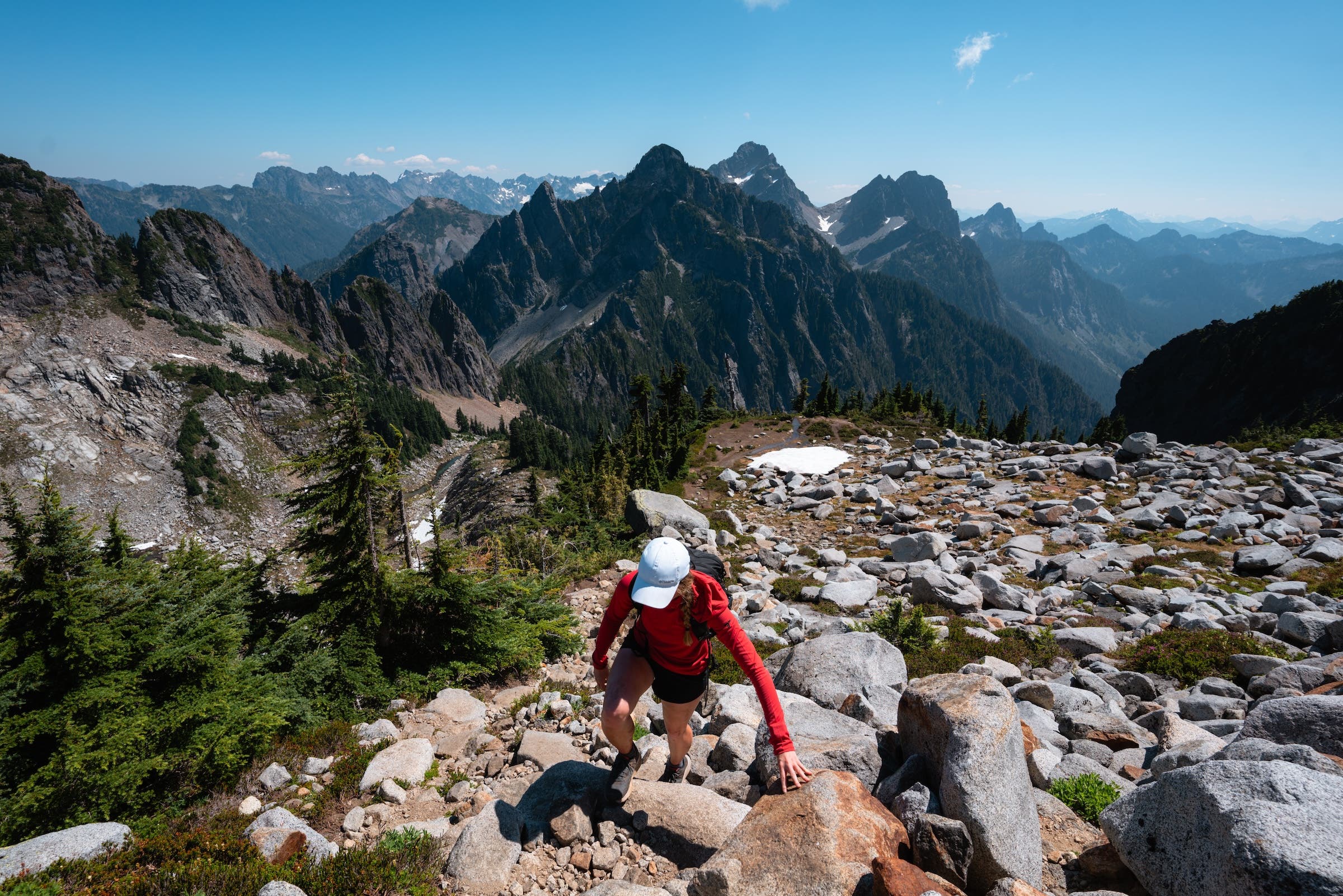
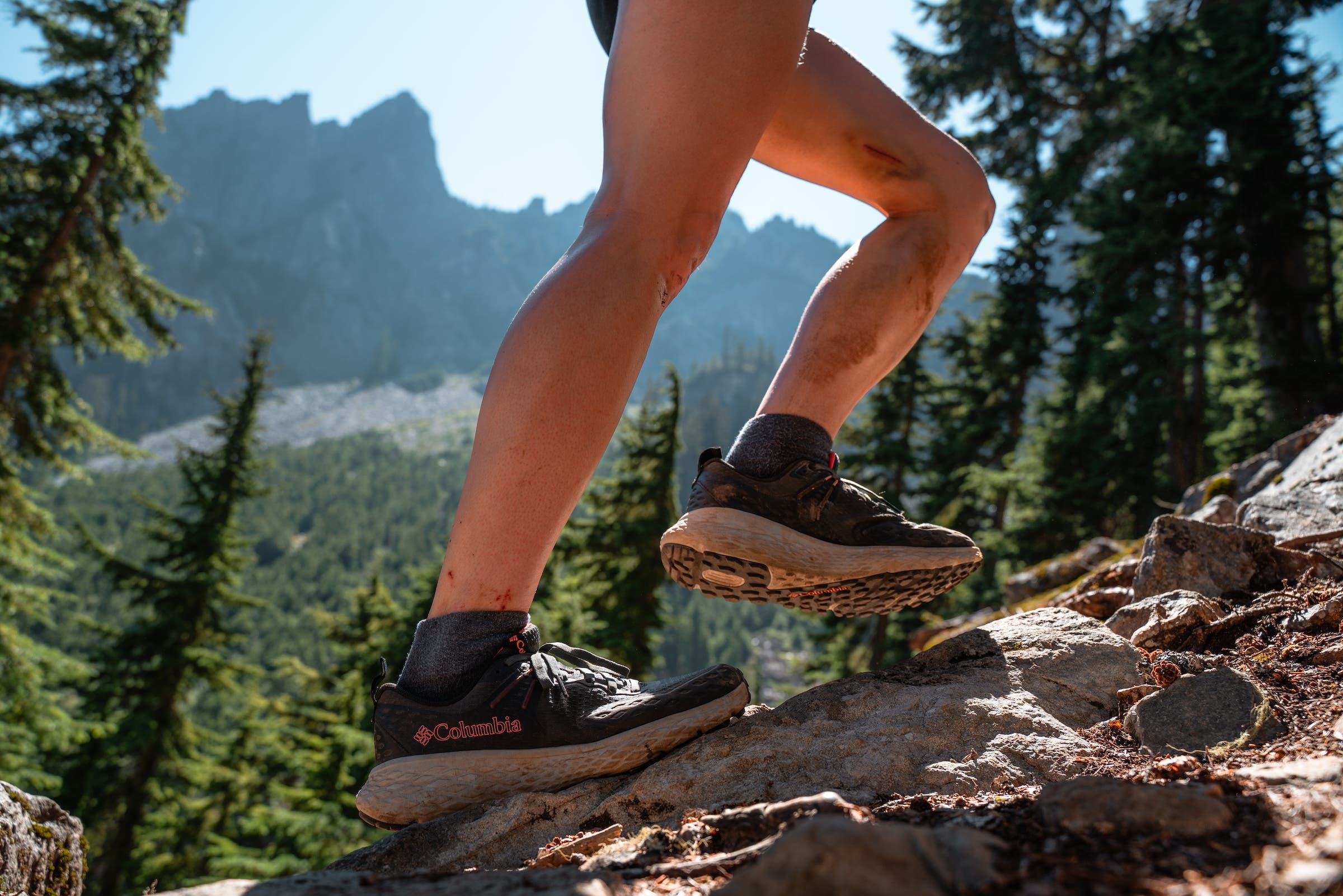
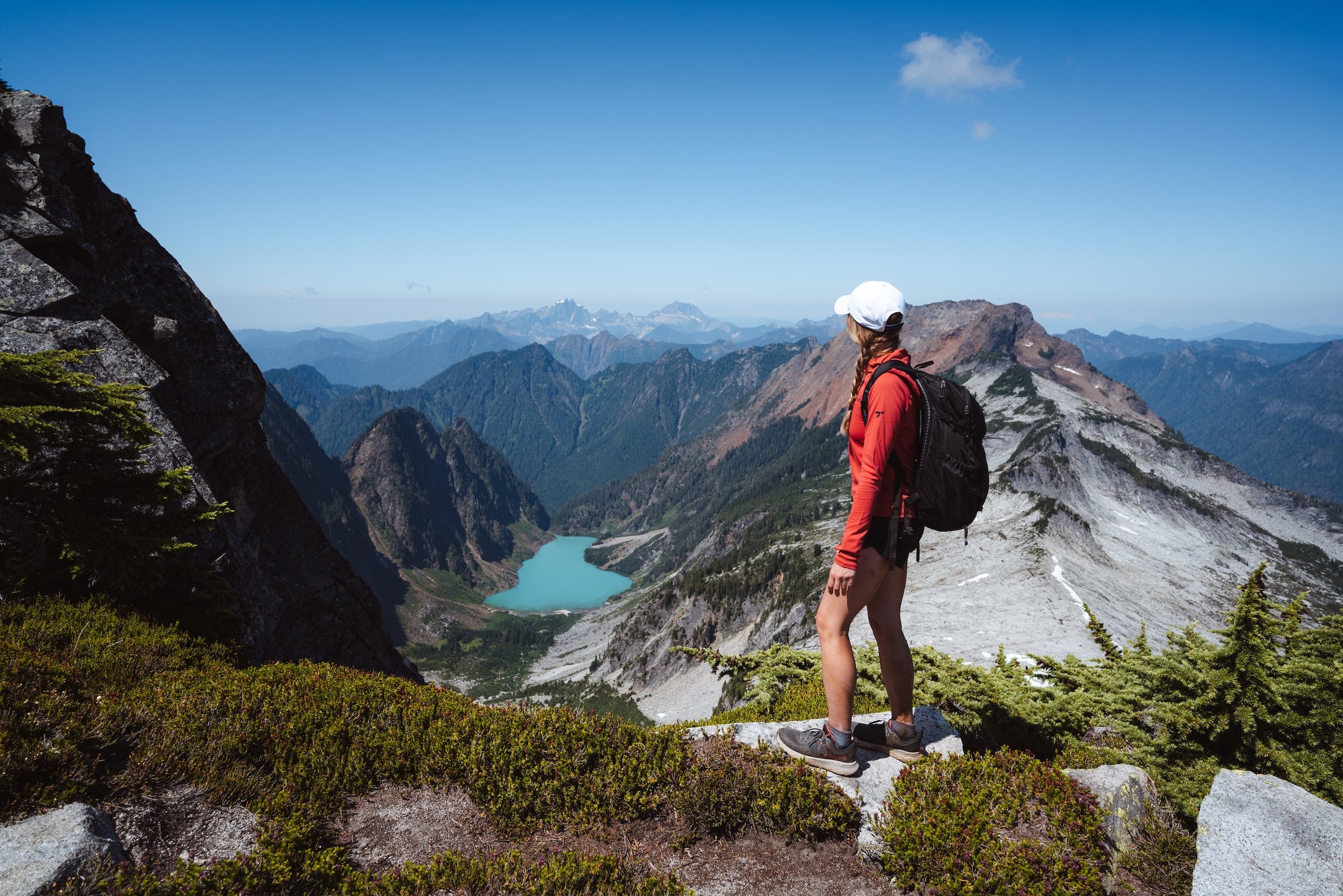
When you’re ready to earn your views, pick one of America’s steepest day hikes, from iconic scrambles to lesser-known leg burners. Just remember: what goes up must come down, so save some energy for the descent.
Steep
The Classic: Angels Landing
Zion National Park, Utah
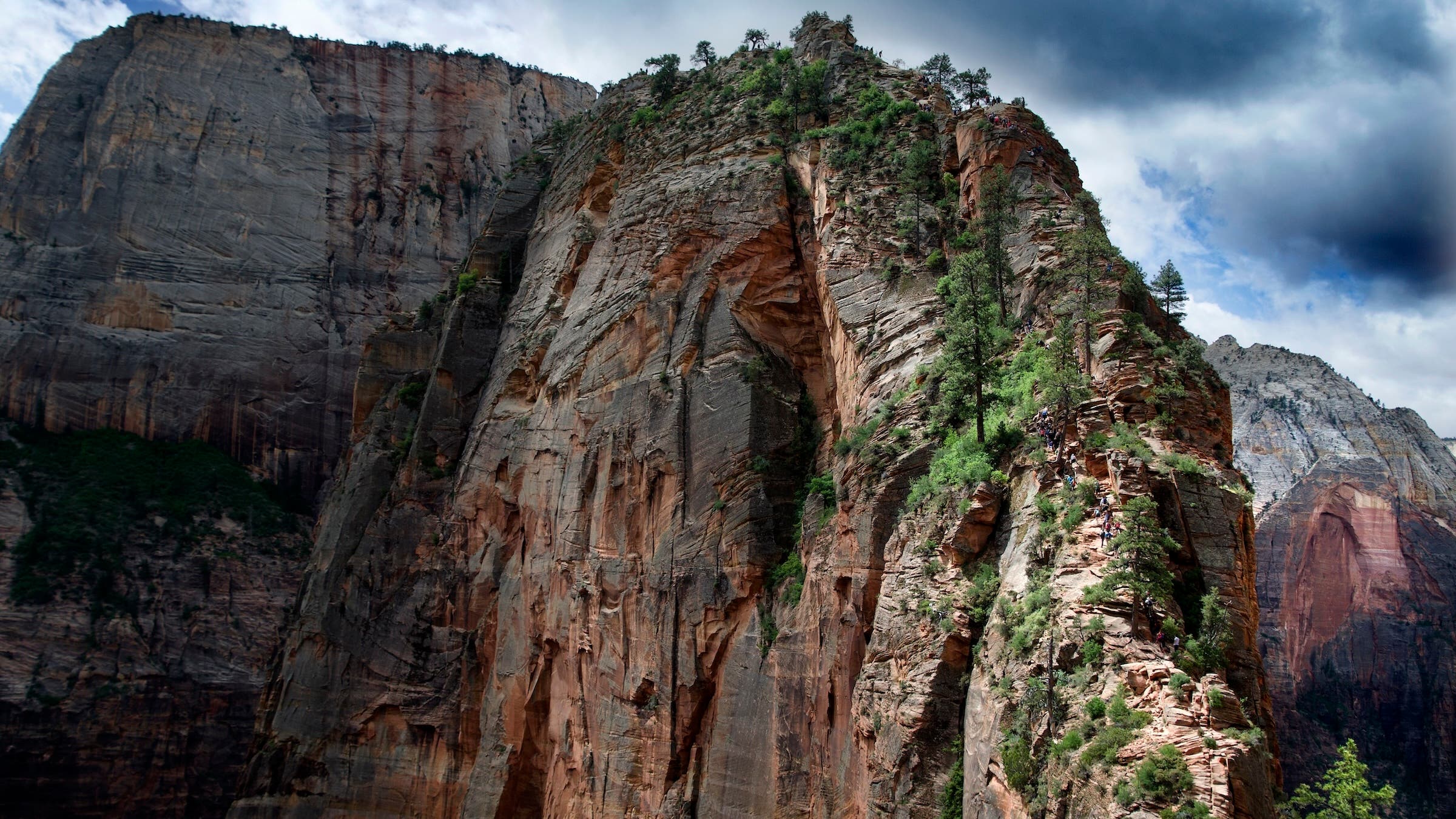
Sometimes the Instagram-famous hikes live up to the hype, and Angels Landing is a prime example. This 4.5-mile round-trip climbs 1,569 feet, culminating in a nerve-jangling half-mile of chain-assisted scrambling along a narrow sandstone fin. With 1,000-foot drop-offs on both sides, the final stretch to the 5,785-foot summit demands some guts (and as of recently, a permit—book in advance). Your reward: 360-degree views of Zion Canyon’s Technicolor cliffs. Most hikers complete the trail in three to five hours. Beat the crowds by starting early and choosing a weekday in autumn. Reconsider if you have a fear of heights. But if you make it, that summit selfie will be one for the books…er, the ’Gram.
Angels Landing on Trailforks.com
The Texas Favorite: Guadalupe Peak Trail
Guadalupe Mountains National Park, Texas
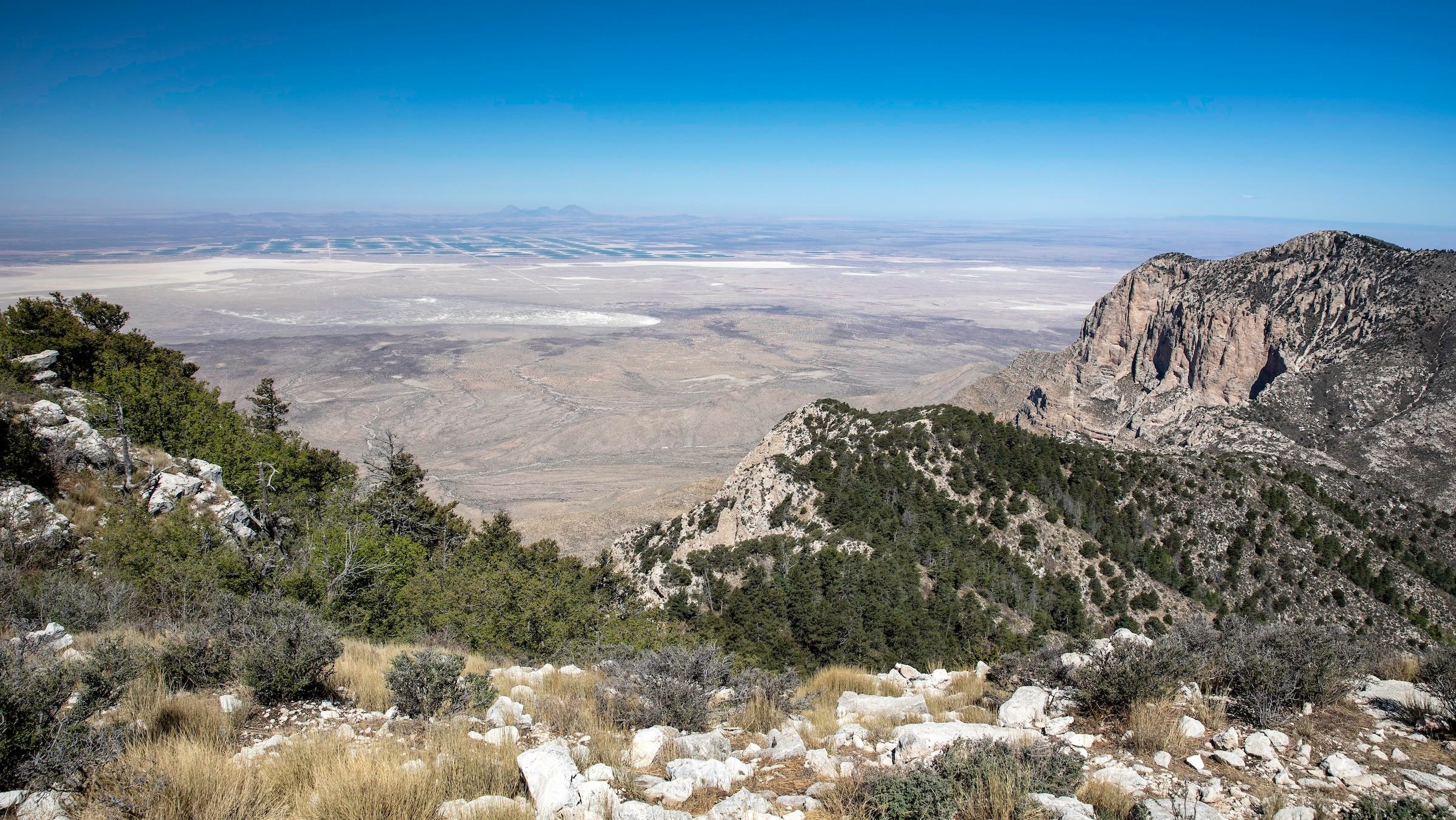
Deep in the wild heart of Texas, Big Bend gets all the love—and deservedly so. But 250 miles northwest lies the lesser-known Guadalupe Mountains National Park, a geological wonderland of its own featuring similar “sky island” ecosystems floating above the West Texas desert. To soak it up in a day, take on this 8.4-mile out-and-back that climbs 3,000 feet to the highest point in Texas (8,751 feet). After an ascent passing through desert scrub and pine-oak woodlands, the summit opens up panoramic views of the vast Chihuahuan Desert below. Best tackled in fall, winter, or spring to avoid scorching summer temps. Bring lots of water and sunscreen—there’s little shade—and be prepared to believe you’ve found Texas’s best-kept secret.
GRT – Guadalupe Peak on Trailforks.com
Steeper
The Classic: Half Dome
Yosemite National Park, California
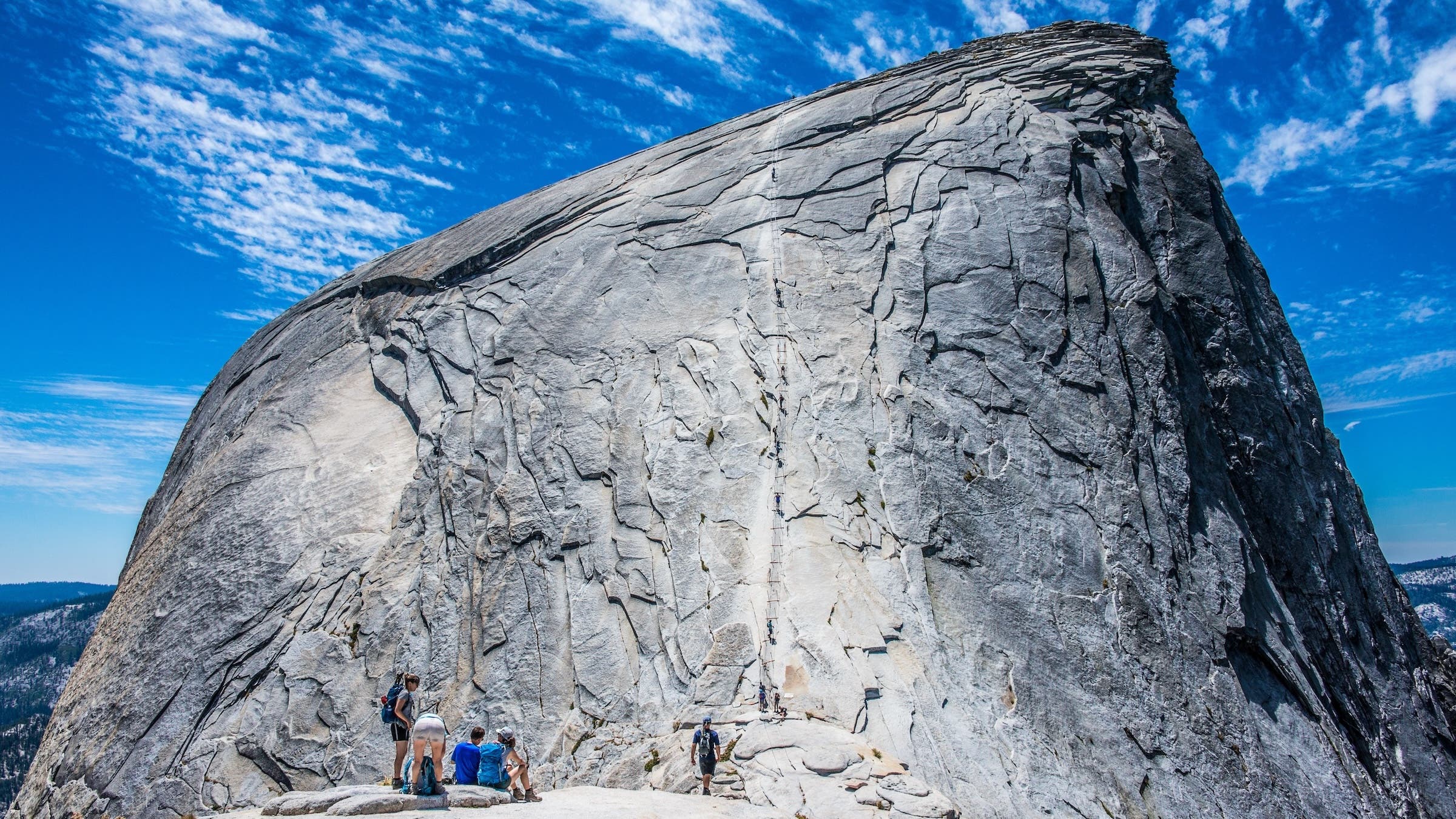
Thanks to the climbing heroics of rock stars like Alex Honnold, you might think of Half Dome first for its sheer granite face. But many may forget that it’s a killer day hike, not just a vertical climb (or an Ansel Adams poster). This 15-mile round-trip gains just shy of 5,000 feet, culminating in the famous cable ascent up Half Dome’s steep granite shoulder. From the 8,842-foot summit, Yosemite Valley unfolds 4,000 feet below. Start pre-dawn from Happy Isles, passing Vernal and Nevada falls before the final quad-burning climb. Permits are required for the cables, which are typically up from late May to early October. Bring gloves for the cables and plenty of water. Afternoon thunderstorms are common; summit early.
Half Dome Trail via John Muir Trail and Mist Trail on Trailforks.com
The PNW Pick: The Enchantments
Leavenworth, Washington
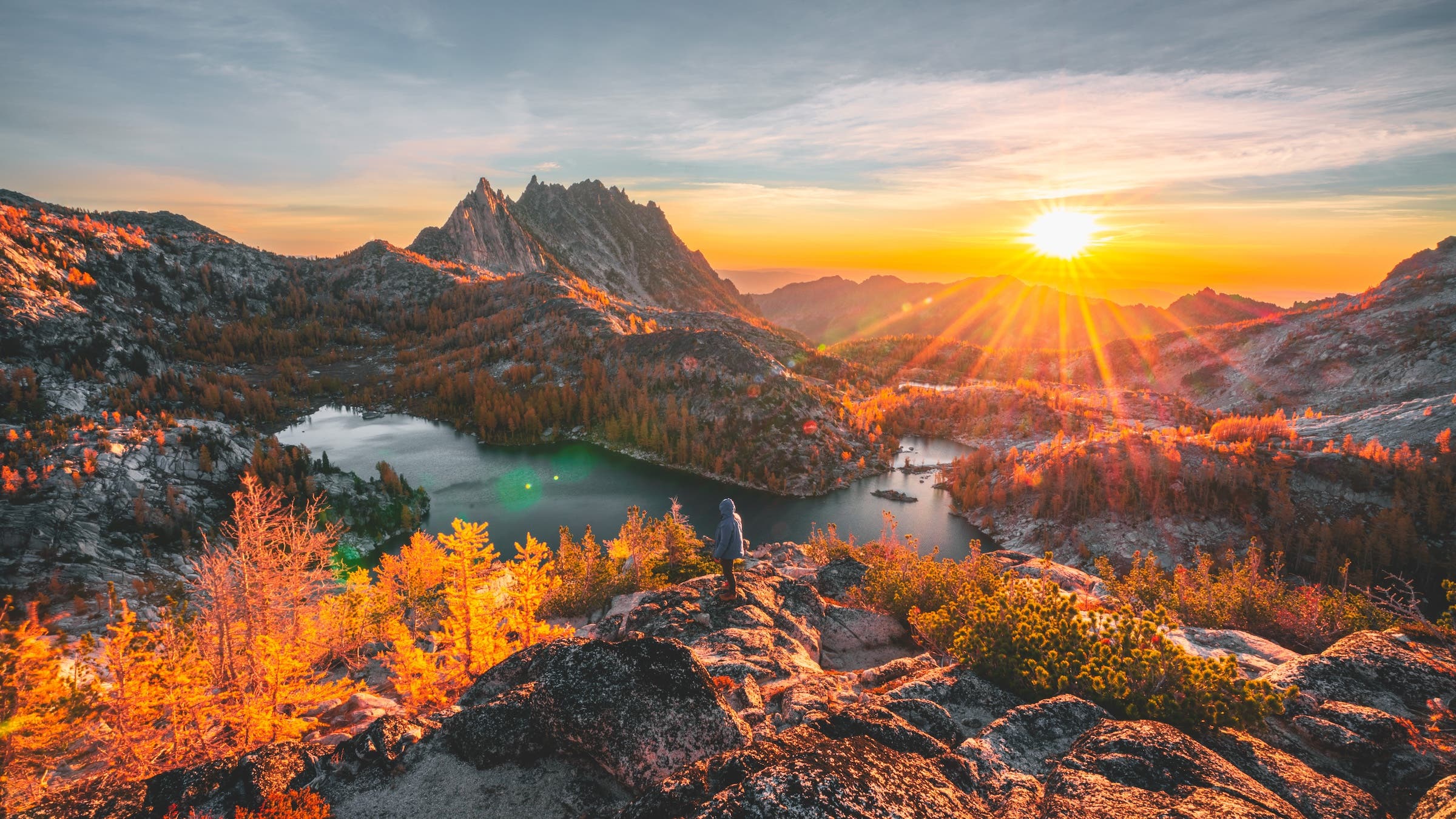
Why spend the day staring at your alpine desktop wallpaper when you could be hiking through mountain scenes that put it to shame? Just 2.5 hours from Seattle, this formidable 18.6-mile thru-hike gains more than 4,500 feet in Washington’s Stuart Range. Start at the Snow Lakes Trailhead, climbing 6.5 miles and 3,800 feet to Snow Lakes before entering the Core Enchantments. Navigate past turquoise lakes and granite spires, then descend the brutal Aasgard Pass, dropping nearly 2,000 feet in less than a mile. Exit via the Stuart Lake Trailhead. While permits are required for overnight stays (awarded by lottery), determined day hikers can tackle it in one epic push. Mountain goats are common companions. Snow lingers into July; fall brings spectacular golden larch colors. Be prepared for rapidly changing weather, and arrange transportation at both ends.
The Enchantment Trail on Trailforks.com
Steepest
The Classic: Grand Canyon Rim-to-Rim
Grand Canyon National Park, Arizona
John Wesley Powell called it “the most sublime spectacle on Earth.” You might call it sublime torture (in a good way). This rim-to-rim hike is a dawn-to-dusk epic that compresses 2 billion years of Earth’s history into one grueling day. The 23.5-mile traverse drops 4,500 feet to the Colorado River before climbing 5,700 feet to the opposite rim. Start at the North Rim for a net downhill journey to Grand Canyon Village, but don’t be fooled—the relentless climb out tests even fit hikers. Plan for 12 to 15 hours of hiking; many people start pre-dawn. Extreme heat is common at the bottom from June to August; carry ample water. Book a shuttle in advance. Or, better yet, the most fit and hyper-ambitious hikers can double down with the epic return journey that is the R2R2R (Rim-to-Rim-to-Rim) endurance challenge.
AZT – North Kaibab on Trailforks.com
AZT/C – Bright Angel Trail on Trailforks.com
The Empire Escape: Devil’s Path
Catskill Mountains, New York
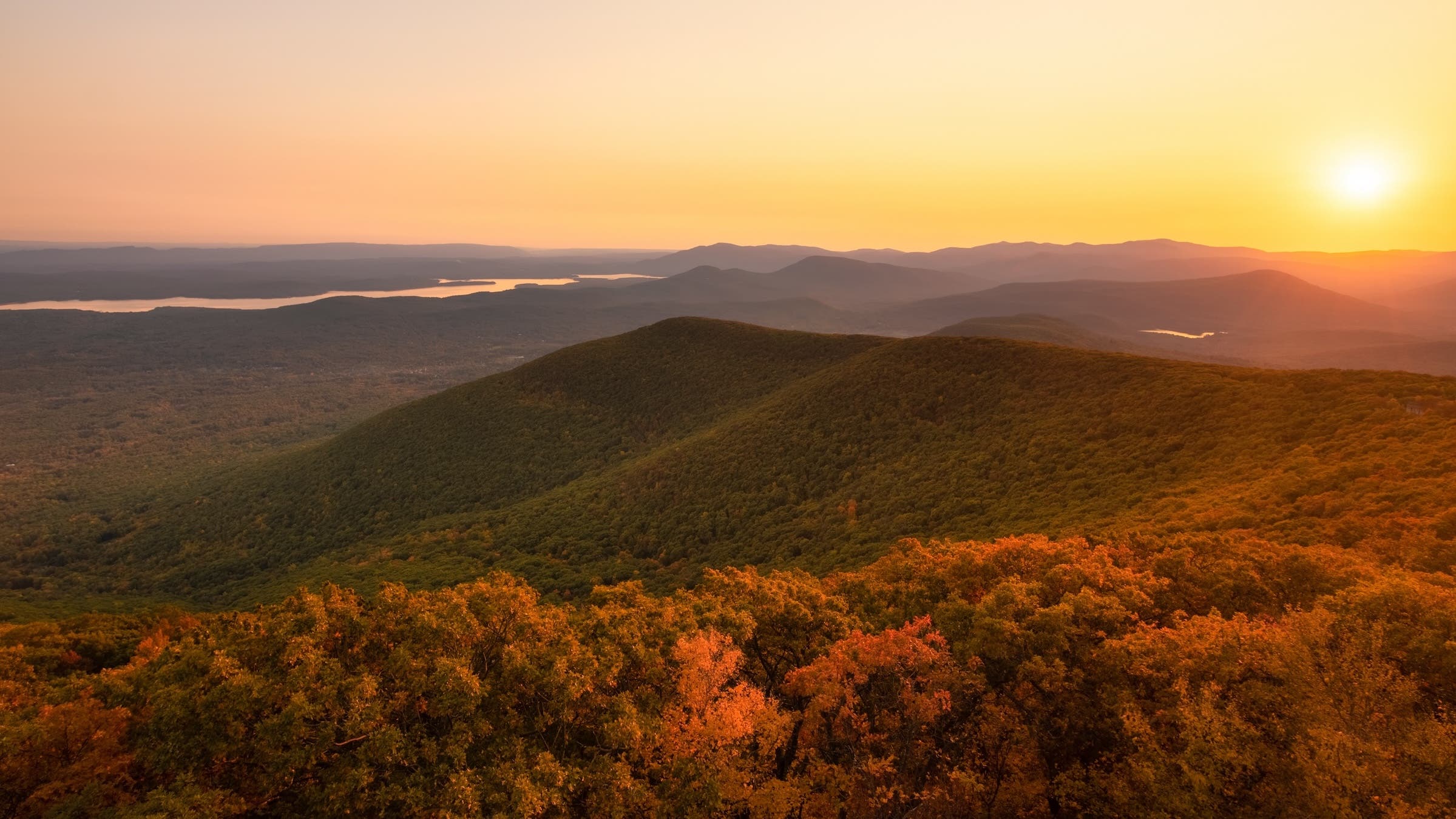
Think East Coast hiking is a walk in the park? The Devil’s Path begs to differ. Don’t let the Catskills’ modest elevation fool you. This 25-mile route earns its name, gaining and losing 9,000 feet as it traverses six peaks. Expect near-vertical scrambles that will test your footing, dense forests, and hard-earned views of the Hudson Valley. Most hikers wisely backpack it in two to three days, but ultrarunners and masochistic mountaineers tackle it in one brutal push. The western half—Indian Head to Hunter Mountain—is considered the toughest stretch. Spring and fall offer the best conditions, and payoff colors come in autumn; summer brings humidity and dense foliage.
Devil’s Path (Red) on Trailforks.com
Based in Portland, Oregon, Columbia Sportswear is a global outdoor brand that crafts active lifestyle gear fortified with industry-leading technologies and tested in our own backyard. Our apparel, footwear, and accessories reflect our Pacific Northwest heritage and indomitable spirit.