A NPS Sign Was Removed at Yellowstone. The Culprit? A Wolf Pup.
A viral photo of a wolf carrying a grizzly warning sign is more than just funny—it’s a reminder of who really runs the park.

Don't miss new adventures
Get all the latest delivered to your feed.
A viral photo of a wolf carrying a grizzly warning sign is more than just funny—it’s a reminder of who really runs the park.
The U.S. Forest Service is moving its headquarters to Salt Lake City and shuttering 57 of its 77 research stations. Is this a move for efficiency, or a play to dismantle federal land protections? Experts weigh in.
Alex takes on a serious hike and a search for turquoise in this installment of his new travel show
Bigger off-road wheels are already showing up on mountain and gravel bikes—but are they here to stay?
A federal panel just gave the oil industry a free pass to bypass wildlife protections near ten National Park Service sites. Now, environmentalists are suing to stop them.
From versatile road-to-trail cruisers to speedy, agile racers, we found the best trail running shoes for every runner and terrain.
It’s not lab science, but watching bikes absorb repeated flat landings tells you more than you might expect.
Regular maintenance will keep your camping nest clean.
Our resident camera tech expert explains everything you need to know from GoPro's launch announcement.
National Geographic Explorer Stephanie Pearson shares insights with us from her new book '100 Hikes of a Lifetime U.S.A,' including her toughest and most rewarding treks across the country.
Social isolation has a number of negative effects on mental and physical health. Therapists share the best ways to feel less alone—and how to have fun doing it.
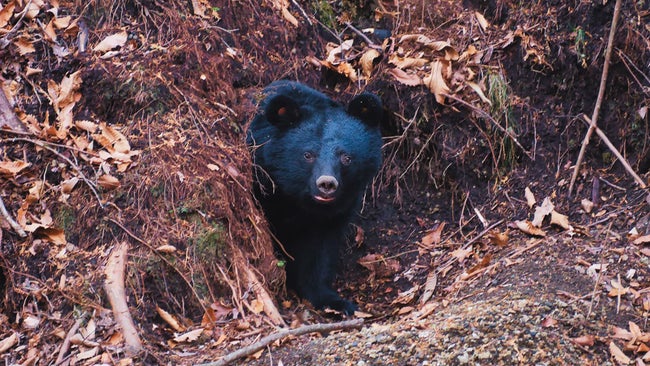
We traveled to the front lines of Japan’s battle against the moon bear, which experts say is responsible for hundreds of attacks on humans and more than a dozen deaths.
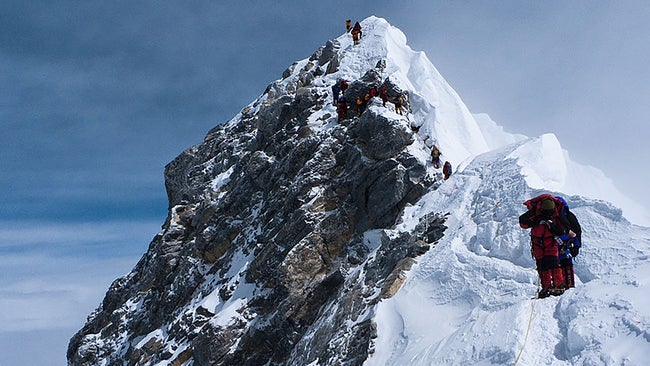
Allegations of fraud and poisoning in Himalayan tourism have already had an impact on the Mount Everest guiding industry in Nepal. Expedition operators believe they’ve been unfairly targeted amid the brewing ordeal.
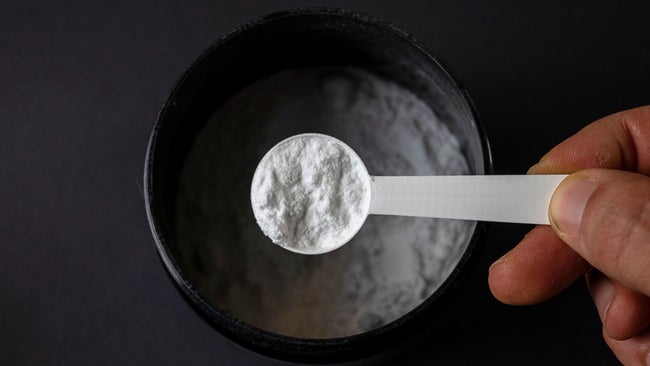
Research suggests that creatine can provide a cognitive boost in extreme environments or during high-intensity activity. Here's what to know.
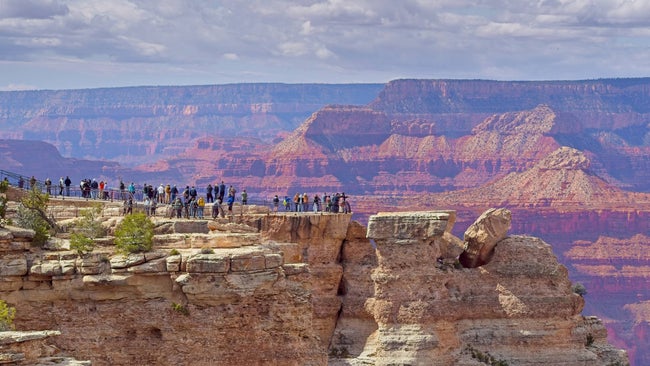
I’ve spent my career writing about under-appreciated gems and getting away from the crowds. But there’s something to be said for standing shoulder-to-shoulder with a bunch of strangers and staring at something gorgeous—especially in the times we’re living in right now.
From dodging venomous vipers to finding water in the desert, a veteran producer reveals the high-stakes process of picking locations for hits like 'Naked and Afraid.'
A bit of cleaning, care, and repair can keep your footwear in rotation for years.
The most influential digital designer you've never heard of found an anecdote to the noise on Japan's ancient walking routes
A renowned researcher died after becoming obsessed with dark shamans. I traveled to Guyana to see if the stories were true.
In 1992, an anthropologist named Neil Whitehead arrived in the capital of Guyana, a small, heavily-forested country on the northern edge of South America. From there, he took another small plane from Georgetown to a village in the forest-covered Pakaraima mountains.
At the time, Whitehead was researching the archeology of a remote part of the country, near the borders of Venezuela and Brazil. He was working with the Walter Roth Museum of Anthropology to document the presence of urn burial sites.
The British academic had studied at the University of Oxford, and colleagues say he was a brilliant historical researcher. Decades of work convinced Whitehead that there were dense, wealthy societies in the region, as in the myth of the city of gold known as El Dorado. This vision challenged 1980s anthropological beliefs, but in 1990, freelance gold miners brought a gold chest pendant called the “Mazaruni pectoral” into the Walter Roth Museum. It had been dredged from the bottom of a river, and the design didn’t belong to any known metalworking tradition.
Whitehead suspected the pectoral had been produced by a large civilization, on the so-called Guiana Shield, a geological region in South America that spans Guyana and the surrounding countries. He believed that urn burial sites indicated signs of a more complex, settled civilization. So he set out to search the area where the lost city might have been. But soon after he arrived in the village of Paramakatoi, he was interviewing a nurse, who told him what he should really be investigating: kanaima.
Kanaima was the name given to people with strange powers and stranger rituals in northwestern Guyana, eastern Venezuela, and south into Brazil. They were said to transform into jaguars or anteaters. They could travel instantly over vast distances. And they were much-feared because they were known to attack lone victims as they walked through the forest. Considered by some to be “dark shamans,” kanaima emerged from a wider landscape of “assault sorcery” that stretches across Amazonia. But there were also aspects of kanaima–such as the role certain plants play–unique to the region.