Everest Season Is Stalled. Inside the Daring Plan to Kickstart Climbing.
Officials hope that helicopters, additional manpower, and coordination between outfitters and the Icefall Doctors can allow climbers to get on the mountain

Don't miss new adventures
Get all the latest delivered to your feed.
Officials hope that helicopters, additional manpower, and coordination between outfitters and the Icefall Doctors can allow climbers to get on the mountain
New research suggests that taking these may make heat training more tolerable.
Win the season with great deals on shoes for fun and performance
A real-world test reveals whether the cheaper RTIC can match Yeti’s legendary ice retention.
Ever wondered what it feels like to ascend an 8,000-meter peak without supplemental oxygen? Mountaineer Stefi Trouget takes us inside her recent attempt on Annapurna.
A new Netflix doc reveals David Attenborough’s unscripted moment with a baby gorilla 50 years ago did more than create iconic TV—it helped fuel one of the greatest conservation success stories of our time.
A solo hiker’s death in New Hampshire’s White Mountains marks the eighth rescue operation in a single week. State officials are sounding the alarm: your spring trail gear is likely not enough for the summits.
Knowing when to try something new versus stick with what you’re doing is tricky. Decision scientists have advice.
The number of tick-related hospital visits is the highest they've ever been since 2017. Here are the regions most impacted and the best expert-backed ways to protect yourself this tick season.
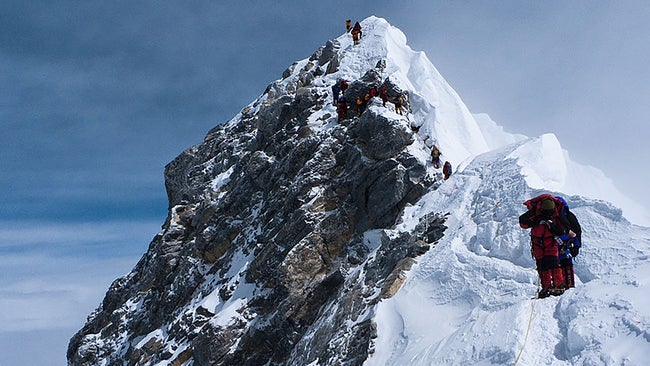
Deadly hazards in the Khumbu Icefall have prevented officials from completing the climbing route. Now, guides and outfitters worry that the setback could result in conga lines later in the season.
In Episode 5 of his new video series, the world-class climber explores his home state, from alpine trails to Basque history
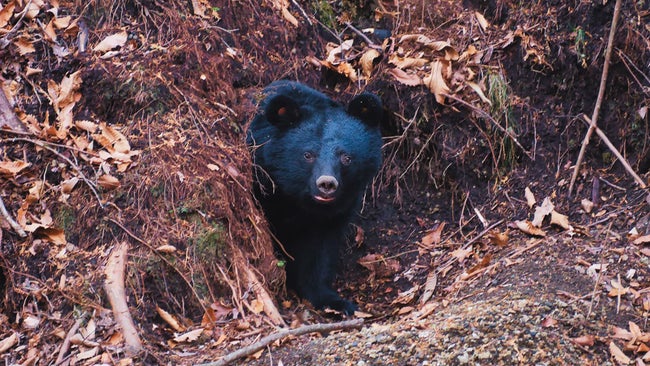
We traveled to the front lines of Japan’s battle against the moon bear, which experts say is responsible for hundreds of attacks on humans and more than a dozen deaths.
Allegations of fraud and poisoning in Himalayan tourism have already had an impact on the Mount Everest guiding industry in Nepal. Expedition operators believe they’ve been unfairly targeted amid the brewing ordeal.
Research suggests that creatine can provide a cognitive boost in extreme environments or during high-intensity activity. Here's what to know.
I’ve spent my career writing about under-appreciated gems and getting away from the crowds. But there’s something to be said for standing shoulder-to-shoulder with a bunch of strangers and staring at something gorgeous—especially in the times we’re living in right now.
From dodging venomous vipers to finding water in the desert, a veteran producer reveals the high-stakes process of picking locations for hits like 'Naked and Afraid.'
A bit of cleaning, care, and repair can keep your footwear in rotation for years.
The most influential digital designer you've never heard of found an anecdote to the noise on Japan's ancient walking routes
A renowned researcher died after becoming obsessed with dark shamans. I traveled to Guyana to see if the stories were true.
In 1992, an anthropologist named Neil Whitehead arrived in the capital of Guyana, a small, heavily-forested country on the northern edge of South America. From there, he took another small plane from Georgetown to a village in the forest-covered Pakaraima mountains.
At the time, Whitehead was researching the archeology of a remote part of the country, near the borders of Venezuela and Brazil. He was working with the Walter Roth Museum of Anthropology to document the presence of urn burial sites.
The British academic had studied at the University of Oxford, and colleagues say he was a brilliant historical researcher. Decades of work convinced Whitehead that there were dense, wealthy societies in the region, as in the myth of the city of gold known as El Dorado. This vision challenged 1980s anthropological beliefs, but in 1990, freelance gold miners brought a gold chest pendant called the “Mazaruni pectoral” into the Walter Roth Museum. It had been dredged from the bottom of a river, and the design didn’t belong to any known metalworking tradition.
Whitehead suspected the pectoral had been produced by a large civilization, on the so-called Guiana Shield, a geological region in South America that spans Guyana and the surrounding countries. He believed that urn burial sites indicated signs of a more complex, settled civilization. So he set out to search the area where the lost city might have been. But soon after he arrived in the village of Paramakatoi, he was interviewing a nurse, who told him what he should really be investigating: kanaima.
Kanaima was the name given to people with strange powers and stranger rituals in northwestern Guyana, eastern Venezuela, and south into Brazil. They were said to transform into jaguars or anteaters. They could travel instantly over vast distances. And they were much-feared because they were known to attack lone victims as they walked through the forest. Considered by some to be “dark shamans,” kanaima emerged from a wider landscape of “assault sorcery” that stretches across Amazonia. But there were also aspects of kanaima–such as the role certain plants play–unique to the region.